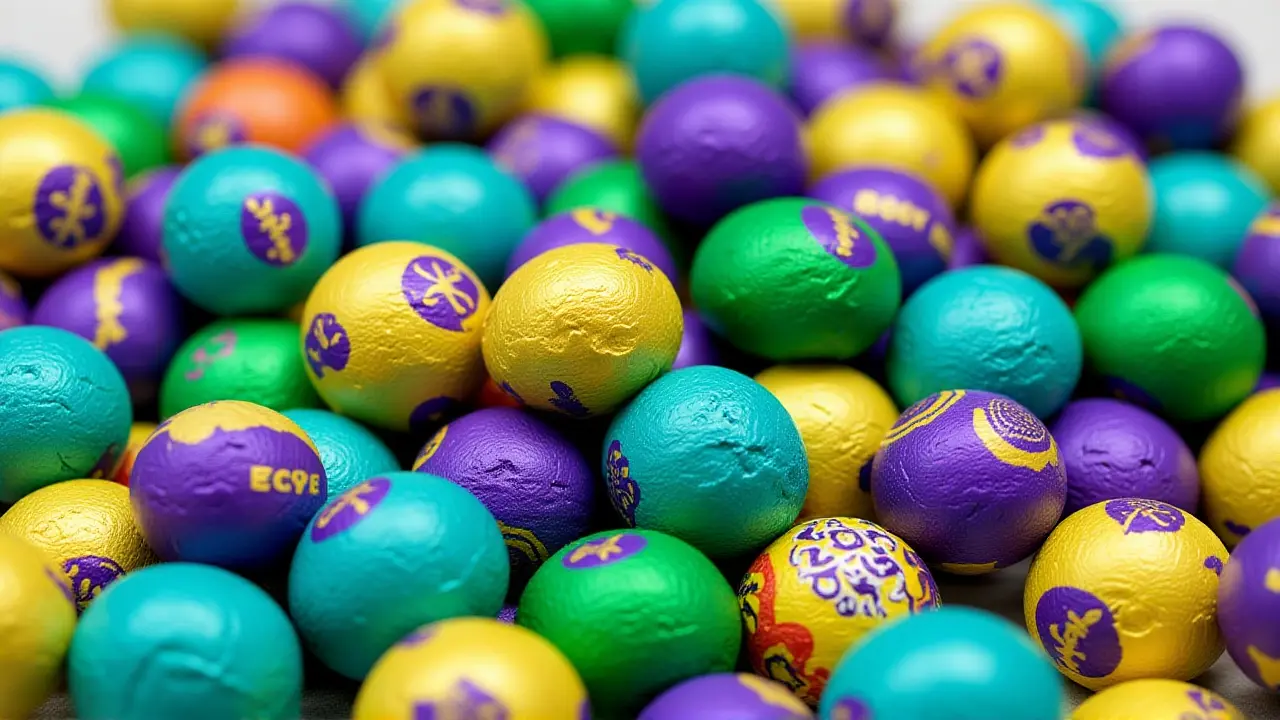
Romance is getting expensive this year. Shoppers hitting the aisles for Valentine's Day found that chocolate prices have surged by 14.4% in the opening weeks of 2026 compared to the same period last year. The spike, which nearly doubles the inflation rate seen at the start of 2025, is hitting consumers right as they prepare for the February 14 holiday. This isn't just a few luxury brands; across 39 common Valentine's treats, a staggering 82% saw price hikes, averaging a 12% increase according to data from LendingTree.
Here's the thing: the problem isn't happening at the checkout counter, but thousands of miles away. The crisis is rooted in West Africa, a region that produces roughly 70% of the world's cocoa supply. A brutal combination of adverse weather patterns and devastating crop diseases has crippled harvests, leaving a massive hole in the global supply chain. It's a classic case of supply and demand colliding, and the consumer is the one paying the price.
The Bitter Reality of Cocoa Costs
To understand why a box of truffles now costs more, you have to look at the raw materials. David Branch, sector manager at the Wells Fargo Agri-Food Institute, points out that there is currently a record gap between supply and demand. The numbers are staggering. Before the COVID-19 pandemic, cocoa beans typically traded between $2,000 and $2,500 per metric ton. By 2024, prices exploded to a record $13,000 per metric ton.
While raw bean prices have recently dipped—hitting two-year lows of $3,700 per metric ton—that hasn't translated to cheaper candy bars yet. Why? Because chocolate makers are still selling through inventory produced with those expensive, high-cost beans purchased months ago. It's a lag effect that keeps retail prices stubbornly high even as the commodities market cools.
The financial volatility has been a nightmare for investors. J.P. Morgan Global Research reported that cocoa prices tumbled from over $12,000 per tonne at the end of 2024 to below $8,000 throughout 2025, leading to significant losses in agricultural markets. This instability makes it nearly impossible for manufacturers to predict their costs, often leading them to hike retail prices as a safety net.
Sticker Shock and the Rise of 'Shrinkflation'
If you've felt like you're getting less for your money, you're not imagining it. Beyond the raw price hikes, "shrinkflation" has crept into the candy aisle. For example, Lindt previously sold 6-ounce bags of milk chocolate truffles at Target for $5.99. Now, shoppers find 5.1-ounce bags retailing for $6.99. That's a 37% increase in price per ounce. Talk about a bitter pill to swallow.
Other popular brands aren't faring much better. Check out these specific price jumps from early 2026:
- Lindt 85% Cocoa Dark Chocolate: Skyrocketed from $3.69 to $5.89 (nearly a 60% increase).
- Mars Cupid's Blend M&Ms: Jumped 17% to $5.49.
- Reese's Hearts (King-size two-pack): Rose 12% to $2.89 at Target.
- Hershey's Kisses (10.8-oz bag): Climbed 9% to $5.99.
A Costly Date: More Than Just Chocolate
Unfortunately, the chocolate crisis isn't the only thing raiding Valentine's budgets. A February 2026 report from the Groundwork Collaborative and The Century Foundation reveals that other romantic staples are following suit. Rose bouquets have climbed 16.6%, while boneless ribeye steaks—a favorite for fancy date nights—have surged by 25.4%. Even European wines are seeing price hikes of up to 30%.
Despite the gloom, some are still celebrating the craft. The Morton Arboretum hosted its Chocolate WeekendIllinois from January 31 to February 1, 2026. The event allowed enthusiasts to support artisan vendors offering small-batch, vegan, and handmade treats, though even these niche creators are feeling the pinch of the global cocoa shortage.

When Will Prices Drop?
The big question is: when does this end? David Branch suggests that we might see some relief by the latter half of 2026. "If market trends stay where they are, we'll see lower prices for Halloween," he noted. The logic is simple: once manufacturers finish selling the expensive stock and start using the cheaper beans currently hitting the market, they can finally lower the sticker price.
But wait—there's a catch. Edward Hockin of the European Staples team at J.P. Morgan warns that uncertainty remains. Weather is unpredictable, and if another crop failure hits West Africa, the cycle of inflation could start all over again. For now, Hockin expects sales volumes to remain under pressure as consumers push back against "teen" percentage price increases.
Frequently Asked Questions
Why is chocolate so expensive in 2026 if cocoa bean prices are falling?
This is due to a lag in the supply chain. Chocolate manufacturers purchase cocoa beans in bulk months before the final product hits the shelf. They are currently selling candy made from beans bought during the 2024-2025 peak, when prices hit as high as $13,000 per metric ton, meaning they must maintain high retail prices to cover those original costs.
What exactly caused the cocoa shortage in West Africa?
The shortage was triggered by a combination of extreme adverse weather and the spread of crop diseases. Because West Africa produces approximately 70% of the world's cocoa, any localized disaster there creates a global ripple effect, drastically reducing the amount of cocoa available for international manufacturers.
What is 'shrinkflation' and how is it affecting chocolate?
Shrinkflation occurs when a company reduces the size or quantity of a product while keeping the price the same or even increasing it. A prime example is Lindt's milk chocolate truffles, which dropped from a 6-ounce bag to a 5.1-ounce bag while the price rose from $5.99 to $6.99, resulting in a 37% increase in the cost per ounce.
When can consumers expect chocolate prices to stabilize?
Analysts, including David Branch of Wells Fargo, suggest that prices may begin to decline in the latter part of 2026. If the current downward trend in cocoa bean costs persists, consumers might see lower prices by the Halloween season, though this depends heavily on the success of future harvests in West Africa.