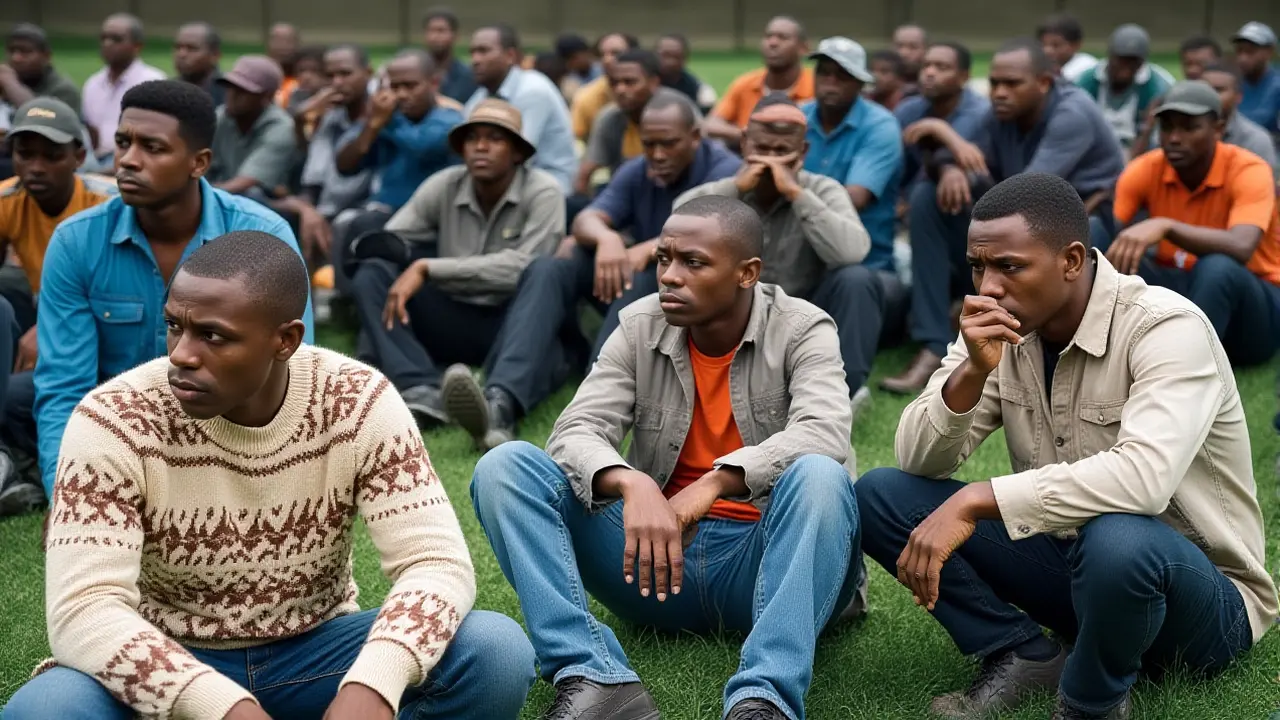
The streets of Johannesburg have once again become a flashpoint for violent exclusion. What began as sporadic harassment has escalated into lethal attacks against African and Asian foreign nationals, including refugees and asylum seekers. The BBC’s documentary, "Fear and Loathing in South Africa," pulls back the curtain on this disturbing trend, focusing heavily on the rise of Operation Dudula, an anti-immigrant vigilante group that is reportedly targeting foreigners with increasing brutality.
Here’s the thing: this isn’t just about crime statistics. It’s about a deep-seated social fracture that is widening by the day. While the government insists these are isolated criminal acts, the pattern suggests something far more organized—and dangerous.
The Rise of Operation Dudula
Launched in 2021 in Soweto, Operation Dudula started with a specific mission: addressing crime and drug usage in Gauteng province communities. The name itself is telling; in isiZulu, "Dudula" means "to push out." Initially conceived by youth activists, the movement has since morphed into something entirely different.
Today, the group is better known for calling for mass deportations, blocking immigrants from accessing healthcare, and raiding businesses owned by foreign nationals. They’ve forced shops to close and created an atmosphere of fear that permeates townships across the country. But the twist is political ambition. Operation Dudula has confirmed it will register as a political party to contest the 2024 general elections. This shift signals a worrying mainstreaming of anti-immigrant hate speech during a critical electoral period.
A History of Violence
To understand today’s tension, you have to look at the scars of the past. The first major wave of xenophobic violence broke out in May 2008, centered in the Alexandra Township near Johannesburg. Between late 2007 and May 2008, attacks spiked dramatically. On January 8, 2008, two Somali shop owners were murdered in Jeffreys Bay and East London. By March, seven people—including Zimbabweans, Pakistanis, and a Somali national—were killed after their homes were set alight in Atteridgeville near Pretoria.
In total, at least 62 people died during the 2008 violence. One particularly horrific incident involved a Mozambican migrant being burned alive by a mob. The cycle didn’t stop there. Another upsurge hit in April 2015, starting in Durban and spreading to Johannesburg. Zulu King Goodwill Zwelithini faced heavy criticism for allegedly aggravating tensions by telling foreigners to "go back to their countries." Since then, waves of violence have erupted in 2019, 2021, and again in 2024.
Recent Raids and Protests
Operation Dudula hasn’t been idle. On February 6, 2022, they raided the Tsietsi Mashinini Centre in Soweto, a known refuge for refugees. Just days later, on February 12 and 13, residents marched to Hillbrow and Orange Grove under the Dudula banner, forcibly removing foreigners. Their argument? That undocumented migrants are responsible for rising crime, drug dealing, and prostitution.
Currently, thousands of protesters are taking to the streets in Pretoria and Johannesburg. They demand tougher action against illegal immigration, blaming foreigners for straining jobs, security, and public services. Videos of alleged attacks are flooding social media, but the government’s response has been dismissive.
Government Defiance and International Fallout
The Ramaphosa administration has remained defiant. Officials have dismissed viral footage as "fake" and intended to tarnish the nation’s reputation. They categorize incidents as general crime rather than targeted xenophobia. Ronald Lamola, Minister of International Relations and Cooperation, condemned the demonstrations but noted he had spoken with officials in Nigeria and Ghana to address irregular migration.
But the international community isn’t buying the narrative. Ghana petitioned the African Union for a formal investigation after seeing the viral videos. Nigeria prepared to repatriate its citizens. Kenya, Zimbabwe, Malawi, and Lesotho issued safety warnings, urging their citizens to stay indoors. These diplomatic strains highlight how domestic unrest is impacting regional relations.
Despite the chaos, the South African National Defence Force (SANDF) was deployed in Alexandra following the publication of certain images. Yet, concerns remain high regarding law enforcement’s ability to protect human rights and dignity. Experts point out that foreigners, lacking political muscle, have become easy targets for the majority of black working-class citizens frustrated by economic pressures.
Constitutional Rights vs. Reality
On paper, South Africa’s constitution protects everyone. It states that all persons, citizen or not, have the right to freedom and security, including protection from violence from public or private sources. In practice, however, authorities have failed to reaffirm these values. There has been little accountability for abuses against foreign nationals, and no strong promotion of inclusivity.
The details are still unclear regarding long-term solutions, but one thing is certain: without open condemnation of xenophobia and genuine efforts toward social cohesion, the cycle of violence is likely to continue. The gap between constitutional promise and street reality is widening, leaving thousands of vulnerable individuals caught in the crossfire.
Frequently Asked Questions
What is Operation Dudula?
Operation Dudula is an anti-immigrant vigilante group launched in 2021 in Soweto. Originally aimed at combating local crime and drug use, it has evolved into a movement that advocates for the deportation of undocumented migrants. The group conducts raids on foreign-owned businesses, blocks access to healthcare for immigrants, and plans to register as a political party for the 2024 elections.
How has the South African government responded to the violence?
The Ramaphosa administration has largely dismissed allegations of systemic xenophobia. Officials have labeled viral videos of attacks as "fake" and categorized incidents as general crime rather than targeted hate crimes. Minister Ronald Lamola has engaged with Nigerian and Ghanaian officials but maintains that the government defends the right to peaceful protest while condemning violence.
Which countries have reacted to the crisis in South Africa?
Several nations have taken significant steps. Ghana petitioned the African Union for a formal investigation. Nigeria prepared to repatriate its citizens. Kenya, Zimbabwe, Malawi, and Lesotho issued safety warnings, advising their citizens in South Africa to remain cautious and stay indoors due to the heightened risk of attacks.
What is the historical context of xenophobia in South Africa?
Major waves of xenophobic violence have occurred since 2008, when at least 62 people were killed in attacks centered around Johannesburg. Subsequent outbreaks happened in 2015, 2019, 2021, and 2024. These events often involve mobs attacking foreign-owned shops and homes, driven by perceptions that migrants take jobs and contribute to crime.
Does South Africa’s constitution protect foreign nationals?
Yes, the South African constitution guarantees freedom and security of person for everyone, including non-citizens. It explicitly prohibits violence from both public and private sources. However, critics argue that authorities have failed to enforce these protections effectively, leaving foreign nationals vulnerable to abuse and discrimination.