The Roots of Wild Side West: From Oakland to San Francisco
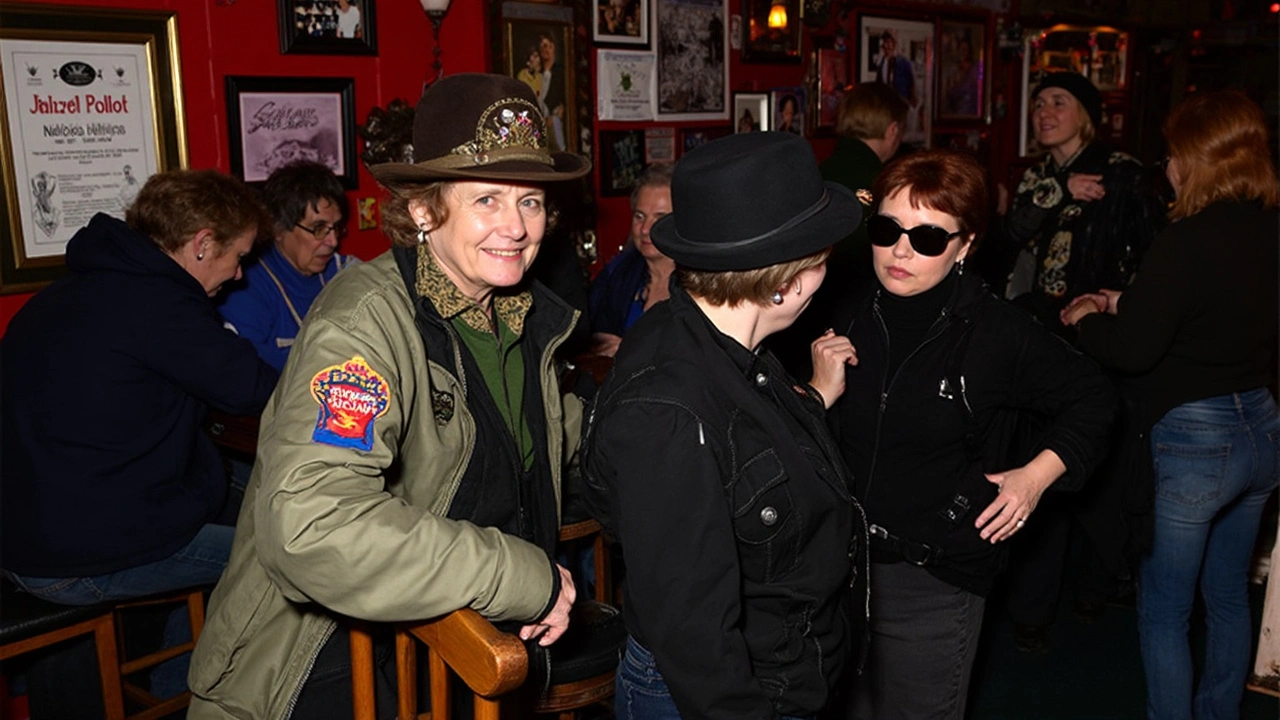
In the early 1960s, when same-sex relationships were still illegal in many places, two visionary women, Pat Ramseyer and Nancy White, opened the Wild Side West in North Oakland. The bar began as a small, lively spot where the marginalized LGBTQ+ community could find some solace and joy. It was a beacon for those who often felt unseen and unwelcome elsewhere. In 1962, they took a bold step and relocated to San Francisco's vibrant North Beach neighborhood, where the bar quickly became a sanctuary against the backdrop of harsh laws and discrimination.
During those early days, the bar was no stranger to adversity. Police raids were common, and the legal landscape was hostile—same-sex acts were criminalized, and women were not even allowed to tend bars until 1971. Bravely, the Wild Side West stood its ground, defying conventions to provide a welcoming space for all. This resilience helped it become a magnetic hub for artists, including poets, strippers from neighboring clubs, and even iconic figures like Janis Joplin.
The Evolution and Enduring Spirit of Wild Side West
In 1977, seeking more space and tranquility, the bar moved to its current home in Bernal Heights. The owners, always creative and community-minded, adorned the venue with unique garden décors like toilets from past protests, making a powerful statement about transformation and resilience. The quirky and colorful setting welcomed a broad spectrum of San Francisco’s queer community, continuing its legacy as a place of belonging and celebration.
Today, Wild Side West stands as the last remaining lesbian bar in San Francisco. It tells a story of struggle, survival, and adaptation amid a trend of shrinking lesbian spaces nationally. While bars like it have been unable to withstand challenges such as gentrification and shifting societal norms, Wild Side West remains a steadfast symbol of LGBTQ+ endurance.
The bar's tale intersects with poignant moments in history, like the much-feared Briggs Initiative aimed at removing gay teachers and the tragic assassination of gay rights leader Harvey Milk. Through social and political upheaval, the bar has continued to be a cherished space for old-timers such as 80-year-old Timotha Doane and the newer generation discovering its storied walls.
Despite facing stiff challenges over the decades, the spirit of Wild Side West shines on as a testament to the enduring power of community and the fight for acceptance and equality.
13 Comments
Sara Lohmaier March 19, 2025 AT 15:49
There's something sacred about places that outlast the world around them. Wild Side West didn't just survive-it became a living archive of queer joy, carved out of fear and painted with glitter. I've never been there, but I can feel the hum of those walls, the clink of glasses between poets and strippers, the quiet defiance in every toilet bowl turned garden ornament. This isn't just history. It's a heartbeat.
Sara Lohmaier March 20, 2025 AT 21:09
Beautiful. The world forgets too easily. This place remembers.
Sara Lohmaier March 22, 2025 AT 16:04
WHY DO WE KEEP LOSING LESBIAN SPACES??? 😭💔 Where are the men?? Why do they always take over?? I mean, like… literally every other queer bar is just dudes in flannel now. It’s like our corners keep getting bulldozed by capitalism and heteronormative vibes 🤡
Sara Lohmaier March 23, 2025 AT 15:48
Y’all need to go there. Like, right now. Even if you’re just passing through SF. The garden’s wild, the bartenders know your name before you do, and the energy? Pure magic. I cried the first time I walked in. Not because it was sad-because it was alive.
Sara Lohmaier March 24, 2025 AT 09:29
Wild Side West is one of those rare places that didn’t just adapt-it evolved without losing its soul. The toilets-as-art? Genius. It’s like they turned oppression into decoration. That’s the queer spirit: take what’s meant to hurt you and turn it into something beautiful. Also, Janis Joplin probably smoked a joint on that back porch.
Sara Lohmaier March 25, 2025 AT 20:58
Let me tell you something nobody’s saying-this bar was funded by the CIA in the 70s to monitor gay activists. That’s why it survived. All the other lesbian bars? Shut down because they were real. This one? It was a front. The toilets? Evidence. The garden? A cover. You think they just let a queer bar thrive during the Cold War? Please. They needed eyes. And now? Now they want you to romanticize it so you forget the truth
Sara Lohmaier March 27, 2025 AT 18:26
Of course it survived. The government needed a controlled environment for queer people-somewhere to let them scream into the void where the cameras could see. That’s why it’s still open. Meanwhile, the real underground bars? All gone. Burned. Bought out. Turned into $18 cocktail lounges with avocado toast. You think this is resilience? Nah. This is containment. And you’re all drinking the Kool-Aid while the system laughs.
Sara Lohmaier March 28, 2025 AT 12:20
I’ve never been to SF but I’ve read about this place in old zines from the 80s. The fact that it’s still here feels like a quiet revolution. Not flashy. Not loud. Just… there. Like a tree that grew through concrete. I think that’s the most powerful kind of resistance.
Sara Lohmaier March 29, 2025 AT 11:30
There is a metaphysical weight to spaces that outlive erasure. Wild Side West is not merely a bar-it is a monument to the unspoken covenant between women who dared to love in a world that demanded their silence. The toilets? Not decoration. They are relics of a sacred rebellion: the transformation of humiliation into heirloom. History does not forget. It waits. And here, it breathes.
Sara Lohmaier March 31, 2025 AT 12:15
Wait-so the bar was in Oakland first? Then moved to North Beach? Then Bernal Heights? So three locations? And the toilets? Were they from different raids? Or just from different protests? And how many toilets are there? And who donated them? And when? And were any of them from the 1960s? And did anyone ever try to steal one? And what about the plumbing? And-
Sara Lohmaier April 2, 2025 AT 11:27
If you ever get the chance to sit at that bar, just listen. The silence between laughs tells more than any speech ever could. This place holds generations. You don’t need to be queer to feel it. Just human.
Sara Lohmaier April 3, 2025 AT 15:06
They’re not letting it die. They’re letting it fade. Slowly. Quietly. Like a candle in a museum. No one turns off the lights. But no one lights new ones either.
Sara Lohmaier April 3, 2025 AT 20:51
This is a powerful reminder that community is not built in boardrooms-it is built in bars, in gardens made from protest, in the laughter of those who refused to be erased. Thank you for preserving this legacy. May it continue to flourish.