D'Tigress Await Quarterfinal; Cameroon‑Angola Battle for Spot
Nigeria's unbeaten D'Tigress await their quarterfinal opponent as Cameroon and Angola fight for the final slot in the 2025 Women's AfroBasket in Abidjan.
When following Women's AfroBasket, the premier continental competition for women's national basketball teams in Africa, fans tap into a showcase of talent, national pride, and growing investment in the sport. Also known as the FIBA Africa Women's Championship, the official tournament run by the governing body FIBA Africa, the event sets the stage for qualification to the World Cup and the Olympics. Women's AfroBasket encompasses national team competition, requires regional qualification rounds, and influences the development pathways for emerging players across the continent.
The structure of African Basketball Confederation, the body that oversees basketball operations in Africa ensures a multi‑stage format: pre‑qualifiers, group phases, and knockout rounds. This format demands rigorous preparation from each national squad, and it also drives host country rotations that bring the spotlight to different regions each cycle. For example, when a West African nation hosts the finals, local sponsors often boost youth programs, while East African hosts may focus on infrastructure upgrades. The tournament’s scheduling is coordinated with other African sports calendars, so it rarely clashes with major football qualifiers or the Afro‑Basket (men’s) tournament, allowing fans to enjoy continuous high‑level competition.
Star players are the heart of the event. Athletes like Mwororoma Kankunda from Kenya or Ines Ulguer from Angola have become household names, inspiring the next generation of talent. Their performances not only raise the competitive bar but also attract scouts from European clubs, creating pathways for African players to compete abroad. This talent pipeline ties directly to the “player development” attribute of the tournament, which includes youth academies, national team camps, and exposure to international coaching standards.
Beyond the court, the Women's AfroBasket has a ripple effect on broader social themes. The visibility of women athletes challenges traditional gender norms, encourages school‑level participation, and often aligns with government initiatives on gender equality in sport. Media coverage, especially from African news outlets, amplifies these stories, making the tournament a catalyst for cultural change. In many countries, the tournament’s success influences policy decisions, such as increased funding for women’s sports or the creation of scholarship programs for student‑athletes.
All of these pieces—governing bodies, qualification systems, star athletes, host rotations, and social impact—come together to make the Women's AfroBasket a unique and dynamic event on the African sports calendar. Below you’ll find a curated selection of recent articles that dive deeper into each of these aspects, from match reports and player profiles to analysis of tournament logistics and its role in shaping African basketball’s future. Dive in to see how the competition is evolving and what it means for fans, players, and the continent as a whole.
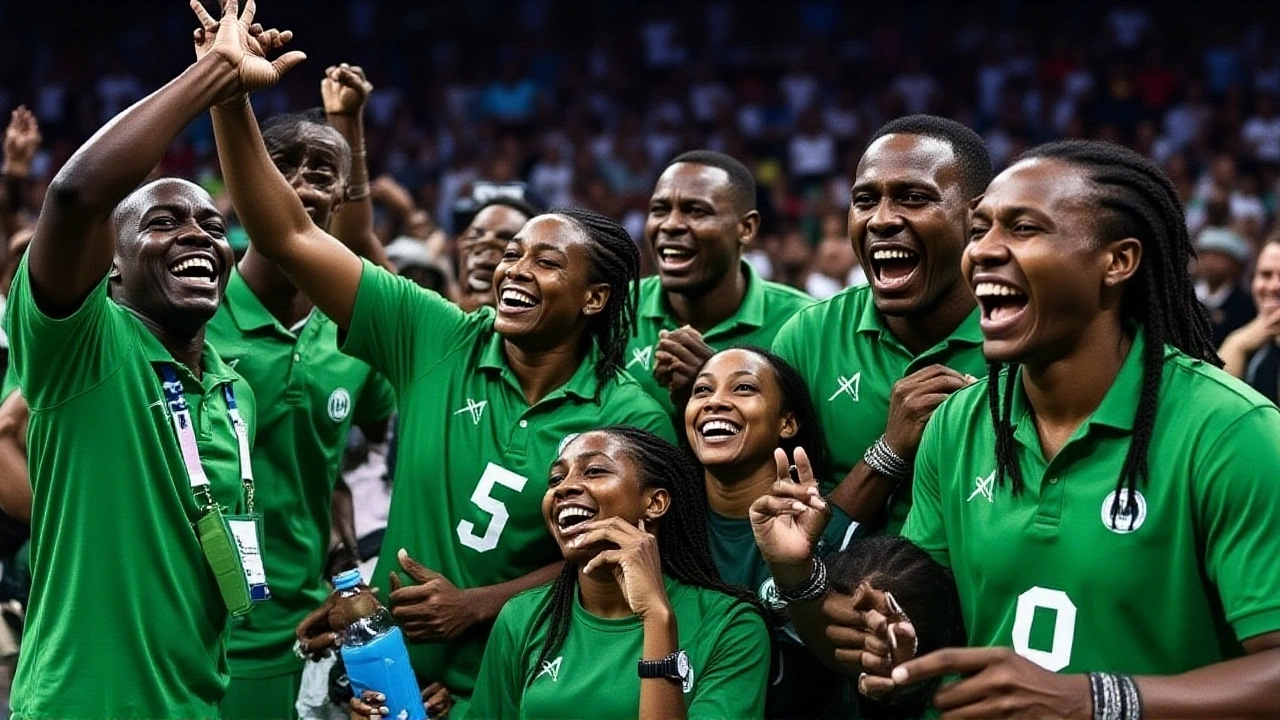
Nigeria's unbeaten D'Tigress await their quarterfinal opponent as Cameroon and Angola fight for the final slot in the 2025 Women's AfroBasket in Abidjan.