Equatorial Guinea – What You Need to Know
When talking about Equatorial Guinea, a small Central African nation on the Gulf of Guinea, known for its Spanish language and oil wealth. Also called Guinea Ecuatorial, it blends African culture with a Latin‑American twist. The country's rapid growth, vibrant sports scene, and unique ecosystems make it a fascinating case study.
One of the biggest drivers of the economy is the oil industry, which accounts for over 80% of government revenue and employs thousands of locals and expatriates. Extracting offshore reserves has turned the capital, Malabo, into a modern hub, but it also brings challenges like price volatility and environmental pressure. The sector's fortunes directly affect public services, infrastructure projects, and even the national budget's ability to fund social programs.
The political system operates as a presidential republic with a strong executive branch. Presidents have historically held power for extended periods, shaping policy in ways that reverberate across the oil sector, education, and health. Recent constitutional reforms aim to balance power, yet the political climate remains a key factor for investors and citizens alike.
Why Equatorial Guinea Matters Today
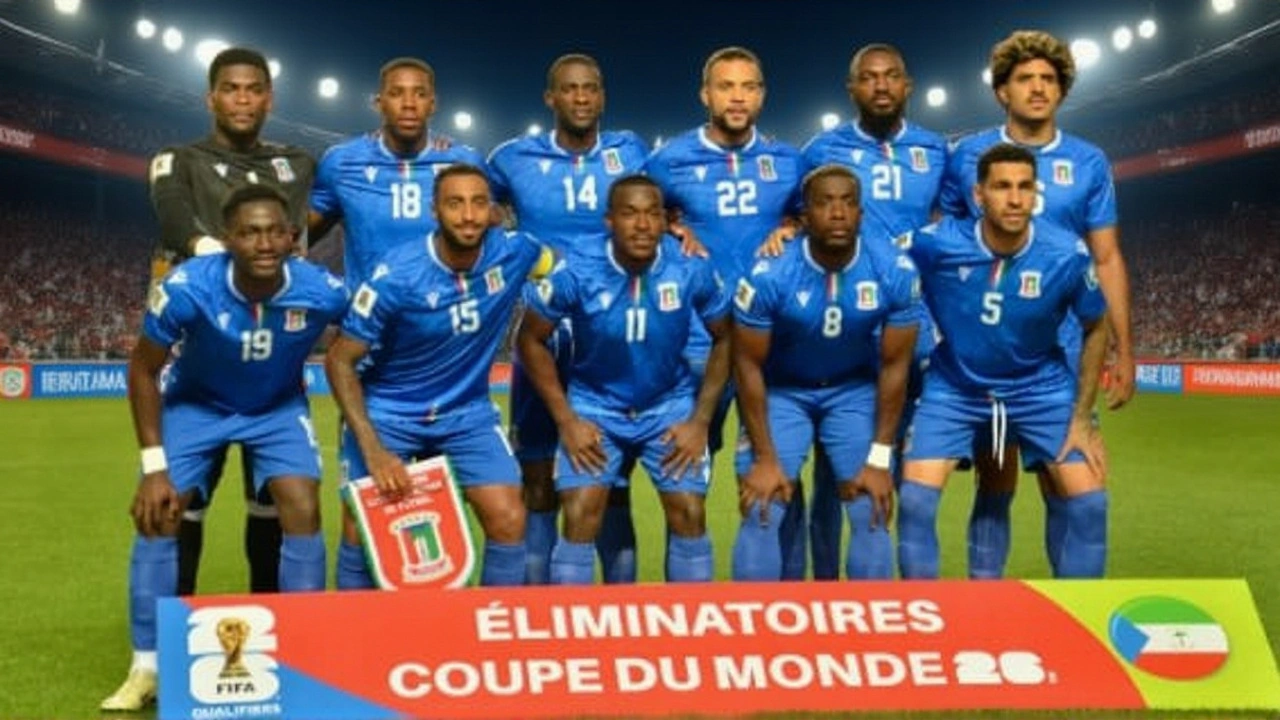
Sports, especially football, serves as a unifying force and a source of national pride. The national team’s surprise runs in the Africa Cup of Nations have put the country on the map, attracting sponsorships and inspiring youth programs. Football clubs also act as talent pipelines, sending players to European leagues and feeding back experience to the domestic scene.
Beyond the headlines, the country's biodiversity includes rare primates, marine turtles, and rainforests that are among the most intact in the region. Conservation projects, often funded by oil revenues, aim to protect these habitats while promoting eco‑tourism. The balance between exploitation and preservation creates a dynamic tension that influences policy, community livelihoods, and international partnerships.
All these pieces—oil, politics, football, and wildlife—interact in a web of cause and effect. For instance, a dip in oil prices can strain government budgets, limiting funding for sports development and conservation. Conversely, a successful football campaign can boost national morale, encouraging citizens to support environmental initiatives. Understanding these semantic connections helps you grasp why each story matters.
Below, you’ll find the latest articles that dive deeper into each of these areas, from new oil contracts and political reforms to match reports and conservation breakthroughs. Keep reading to see how Equatorial Guinea’s unique blend of resources and culture shapes the headlines today.
Equatorial Guinea's last‑minute flight change sparked a player strike, canceling the World Cup qualifier in Lilongwe and prompting a backup training match. The fallout reshapes Group H and raises questions about African football logistics.