Bingu National Stadium – News, Updates & Insights
When talking about Bingu National Stadium, the flagship multi‑purpose arena in Lusaka, Zambia, opened in 2011 and seating around 40,000 fans. Also known as National Stadium Lusaka, it serves as home ground for the Zambia national football team, the country’s top soccer side and hosts major football matches, including Africa Cup of Nations fixtures and World Cup qualifiers.
Built at a cost of roughly $150 million, the stadium’s construction required massive engineering effort and public‑private partnership. This stadium construction, infrastructure project boosted local job creation and set a benchmark for future venues in Southern Africa. Its grass surface, LED lighting and modern locker rooms reflect the standards needed for international tournaments, while the 40,000‑seat capacity influences ticket pricing, crowd management and revenue potential.
Beyond football, Bingu National Stadium doubles as a concert hub and a venue for national celebrations. International artists often pick the arena for tours, taking advantage of its acoustic design and ample staging space. When a major political rally or cultural festival rolls into Lusaka, organizers rely on the stadium’s logistics network—parking, security protocols and broadcast facilities—to handle thousands of attendees smoothly.
The stadium’s strategic location near major highways and the airport makes it a linchpin for tourism. Visitors attending a match or a concert often book nearby hotels, driving demand for hospitality services. This spill‑over effect links the stadium directly to the region’s economic growth, illustrating how a single sports venue can stimulate broader commercial activity.
Recent discussions in the sports community have highlighted governance and fan engagement at venues like Bingu National Stadium. Initiatives to improve ticketing transparency, implement digital entry systems, and enhance stadium safety are reshaping how fans experience live events. These trends echo broader moves across African stadiums to adopt technology that streamlines registration, similar to voter‑registration portals launched elsewhere on the continent.
All of this means the stadium isn’t just a concrete bowl; it’s a dynamic platform that blends sport, entertainment, and economic development. Below you’ll find a curated mix of articles that dive deeper into the stadium’s latest matches, upcoming concerts, infrastructure upgrades, and the policies shaping its future. Explore the collection to see how Bingu National Stadium continues to impact Zambia and the wider African sports landscape.
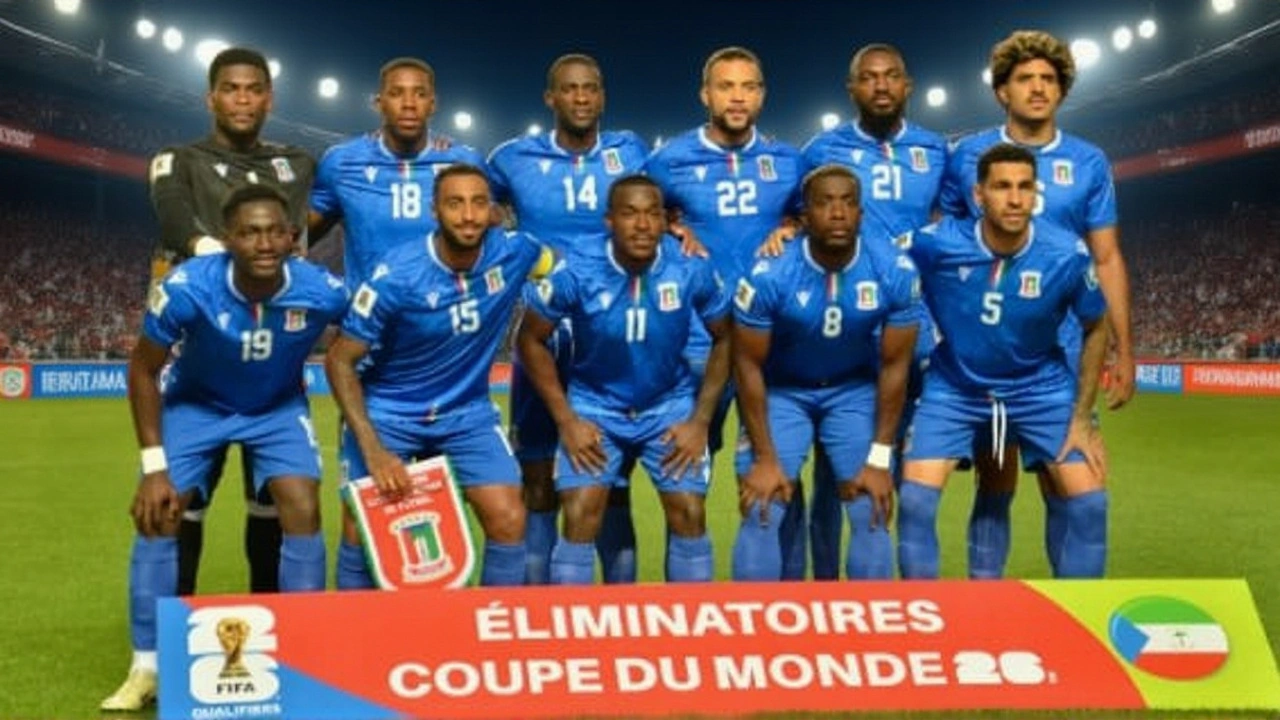
Equatorial Guinea's last‑minute flight change sparked a player strike, canceling the World Cup qualifier in Lilongwe and prompting a backup training match. The fallout reshapes Group H and raises questions about African football logistics.